lørdag 3. februar 2018

Helikopter - TU om Super Puma salget etter Turøy

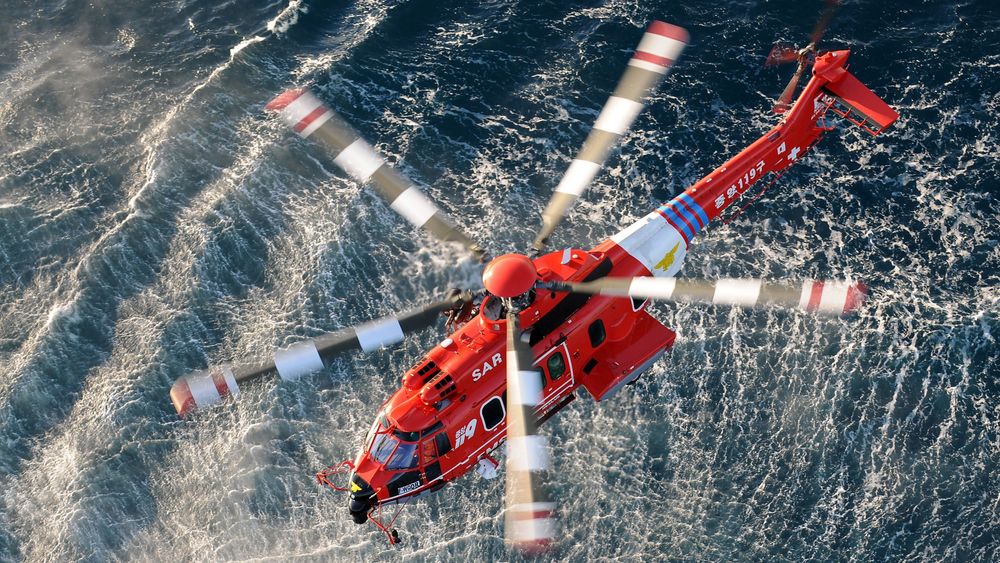
Redningstjensten i Sør-Korea har to slike H225 sar-helikoptre fra før, og bestilte to nye i november.
S
Redningstjensten i Sør-Korea har to slike H225 sar-helikoptre fra før, og bestilte to nye i november. (Foto: Airbus Helicopters)


Etter Turøy-ulykken og flyforbud hadde Airbus et av tidenes beste Super Puma-år

I Norge er helikoptrene fortsatt uønsket.

– Et solid, sterkt år der Super Puma og H175 befester sine posisjoner som bestselgere i sine helikoptersegmenter. Slik oppsummerer Airbus Helicopters 2017.
Det som kanskje er mest oppsiktsvekkende, særlig for nordmenn og briter, er at Super Puma-helikoptrene selger så godt.
Mens det tidligere var flust av flytypen i Nordsjøen, er den fortsatt uønsket her etter Turøy-ulykken som kostet 13 liv 29. april 2016.
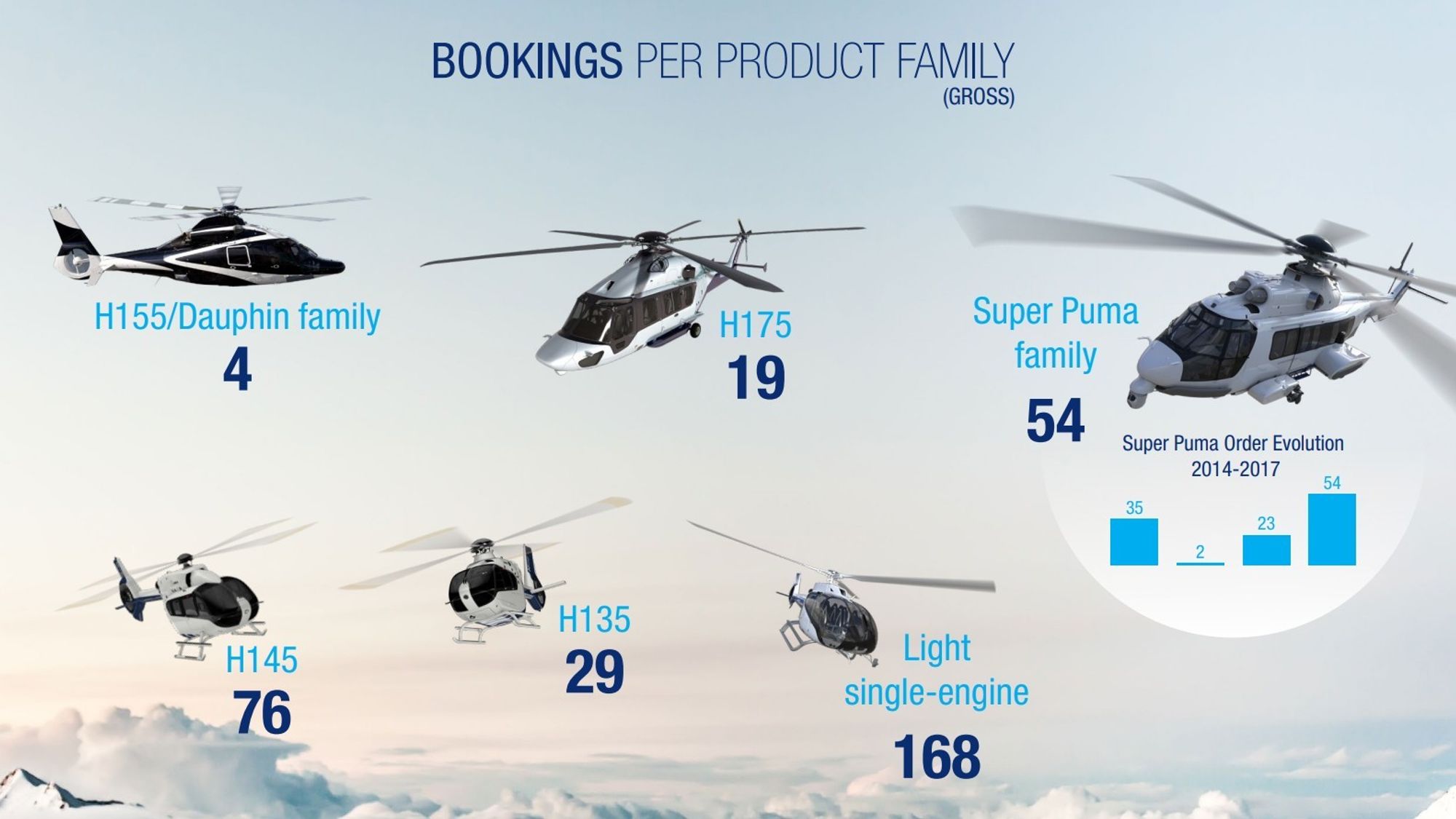
Bestillingene Airbus Helicopters sanket inn i 2017. Foto: Airbus Helicopters


Drøftet ikke sikkerhetsspørsmål

Airbus Helicopters leverte til sammen 409 helikoptre i fjor. Det er ni færre enn året før, og på et atskillig lavere nivå enn tidligere på 2010-tallet. Men ifølge produsenten har de slanket organisasjonen og står nå sterkere tross et krevende marked.
I markedet for sivile helikoptre med mer enn fem seter, har Airbus Helicopters 50 prosent markedsandel, med 260 av 520 helikoptrene som ble levert i fjor. Nummer to og tre er Bell og Leonardo med henholdsvis 18 og 17 prosent markedsandel. 
Når det gjelder ordreinngangen, er denne på 335 netto. Av disse er det bokført 54 bestillinger på de tunge helikoptrene i Super Puma-familien og 19 bestillinger på H175 som tilhører den såkalte «super-medium»-klassen.
– Dette gjør 2017 til et av de største årene noensinne for Super Puma, sa Airbus Helicopters-sjef Guillaume Faury, på presentasjonen, ifølge Flight Global.
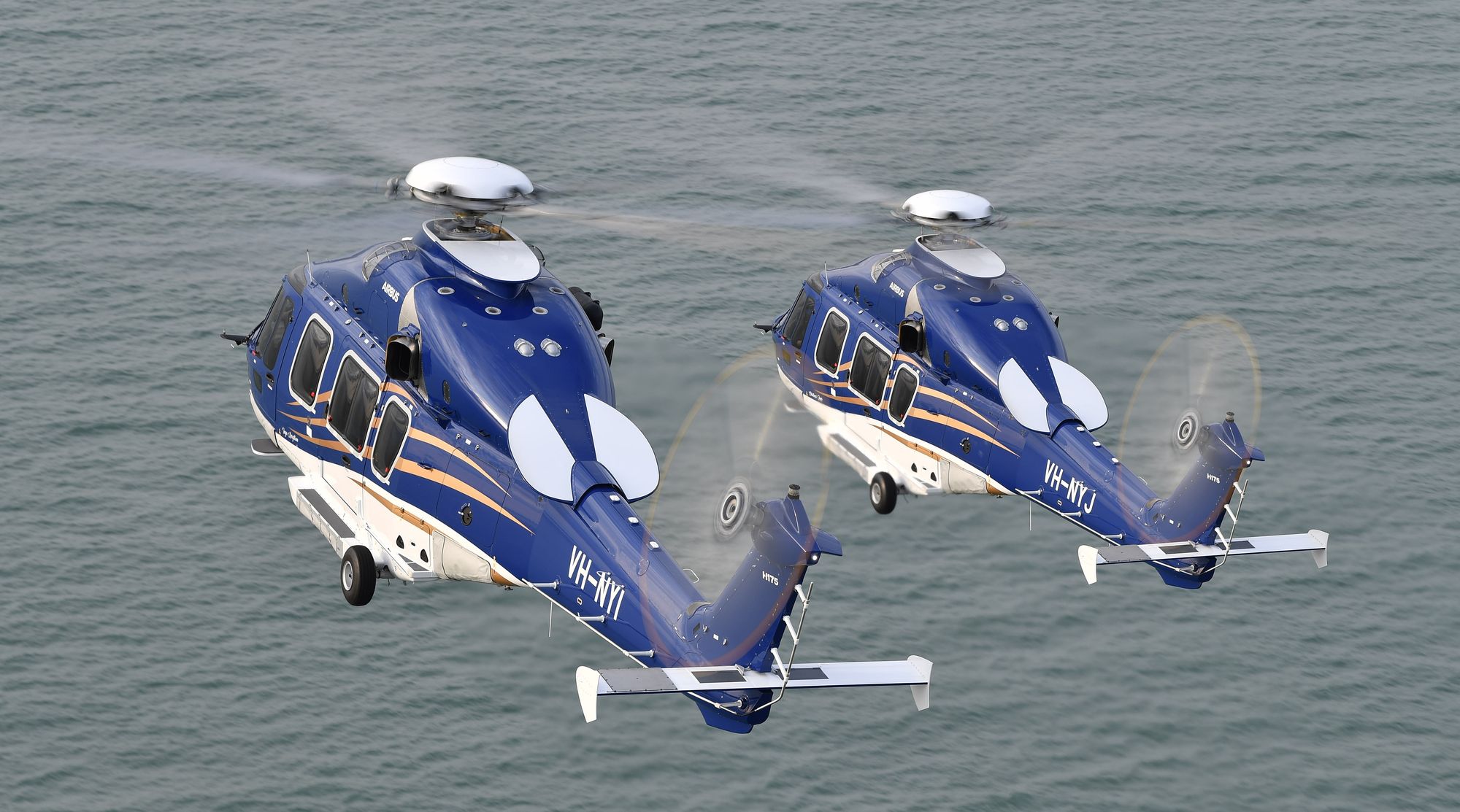
To H175 tilhørende Babcock Offshore Services Australasia.Foto: Airbus Helicopters


Det er imidlertid ingen bestillinger på Super Puma-helikoptre til bruk for tilbringertjeneste offshore. Produksjonen nå dreier seg stort sett om den militære versjonen H225M Caracal. På presentasjonen gikk ikke sjefen inn på sikkerhetsaspekter knyttet til flytypen, som har bidratt til at den de siste to årene har vært ute av offshoremarkedet.

Overkapasitet

Det skal fortsatt være et sted rundt 120 Super Puma-helikoptre som står på bakken rundt om i verden. Faury påpeker at det fortsatt er betydelig overkapasitet når det gjelder store offshorehelikoptre, og at det neppe vil endre seg de nærmeste par årene selv med økt oljepris og mer aktivitet.
Airbus Helicopters opplyste til Teknisk Ukeblad i høst at det var cirka 50 H225 (tidligere EC225LP) og AS332L2 Super Puma i bruk offshore til mannskapsbytte. Dette foregår i Kina og Vietnam. Siden skal flytypen også ha blitt tatt i bruk til passasjertransport i Brasil.
Selv om Airbus ikke går inn på etterdønningene av Turøy-ulykken i 2017-rapporten, er helikopterstyrten for 21 måneder siden fortsatt i høyeste grad med på å prege den internasjonale helikopterbransjen. 
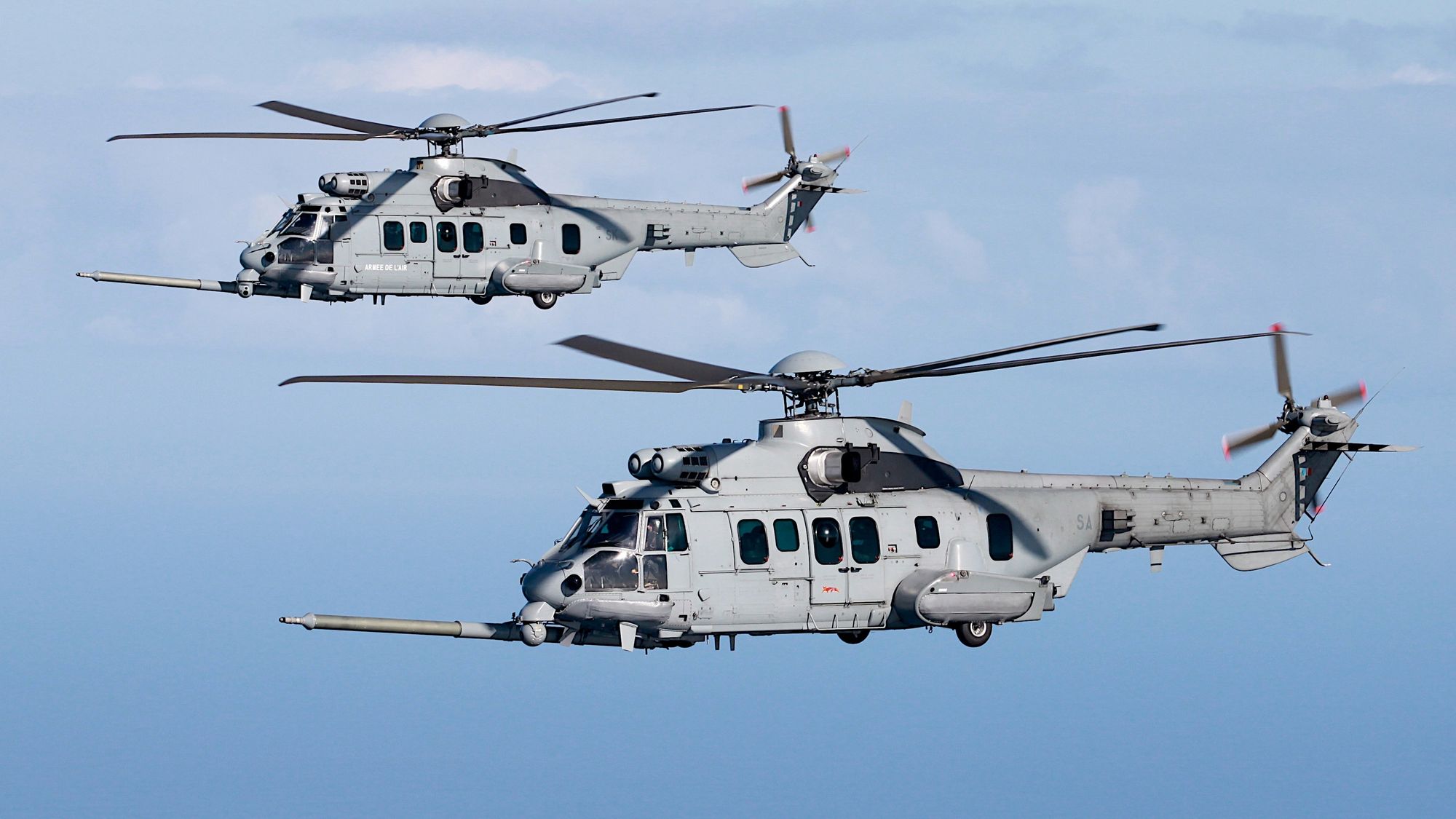
To franske H225MFoto: Airbus Helicopters


Det kom tydelig fram i november, da en av verdens største helikopteroperatører, amerikanske Era Group, viet et eget kapittel til H225 Super Puma i en kvartalrapport. Der kom det fram at selskapet nå har konkludert med at de aldri vil kunne ta i bruk helikoptertypen igjen.
Som følge av dette skrev Era ned sine verdier med 117 millioner dollar, tilsvarende cirka 925 millioner kroner, primært knyttet til de ni H225-helikoptrene de har i flåten, men som fortsatt står på bakken. De har også gått til sak mot Airbus.

Fortsatt ubesvarte spørsmål

Era viste til den Statens havarikommisjon for transport (SHT), som fortsatt undersøker Turøy-ulykken, og funnene som ble presentert i den detaljerte foreløpige rapporten som kom på ettårsdagen for ulykken.
Havarikommisjonen har foreløpig konkludert med at den utløsende årsaken til Turøy-ulykken var et utmattingsbrudd i ett av åtte planetgir i andre trinn i den episykliske modulen i hovedgirkassa (MGB). 
Det startet med en tannhjulsprekk som gikk til brudd, som igjen førte til girbokshavari med den konsekvens at hovedrotoren løsnet og helikopteret følgelig styrtet. Men bakgrunnen for at sprekken oppstod og de mekanismene som deretter fikk sprekken til å vokse, er fortsatt ikke fullt ut klarlagt.
Airbus lagde i høst en video der de i detalj går gjennom hvordan de mener Turøy-ulykken oppsto, og hva slags tiltak som er gjennomført i etterkant. Da videoen ble vist offentlig for første gang, på Solakonferansen for fire måneder siden, ble produsenten utfordret på hvorfor de ikke gjorde disse tiltakene allerede etter den tilsvarende ulykken med et AS332L2 Super Puma utenfor kysten av Skottland sju år tidligere. Airbus forklarte at de etter den ulykken ikke klarte å finne giret som brøt sammen på havbunnen.
Ifølge Era har Airbus Helicopters kun kommet fram til nye metoder for å detektere problemene først etter at de har oppstått, snarere enn å rette opp den underliggende feilen. Selskapet stoler mer SHT, som mener at det er umulig å fastslå hvor lang tid det gikk fra den første sprekken oppstod til giret gikk til brudd, enn på flyprodusenten og luftfartsmyndighetene.

Kritiserer Luftfartstilsynet

For også norske og britiske luftfartsmyndigheter opphevet flyforbudet for H225/AS332L2 Super Puma i juli i fjor etter at de hadde stått på bakken i rundt 14 måneder. Opprinnelig var ikke tilsynene fornøyd med europeiske Easa og amerikanske FAA som gjorde det samme oktober året før. 
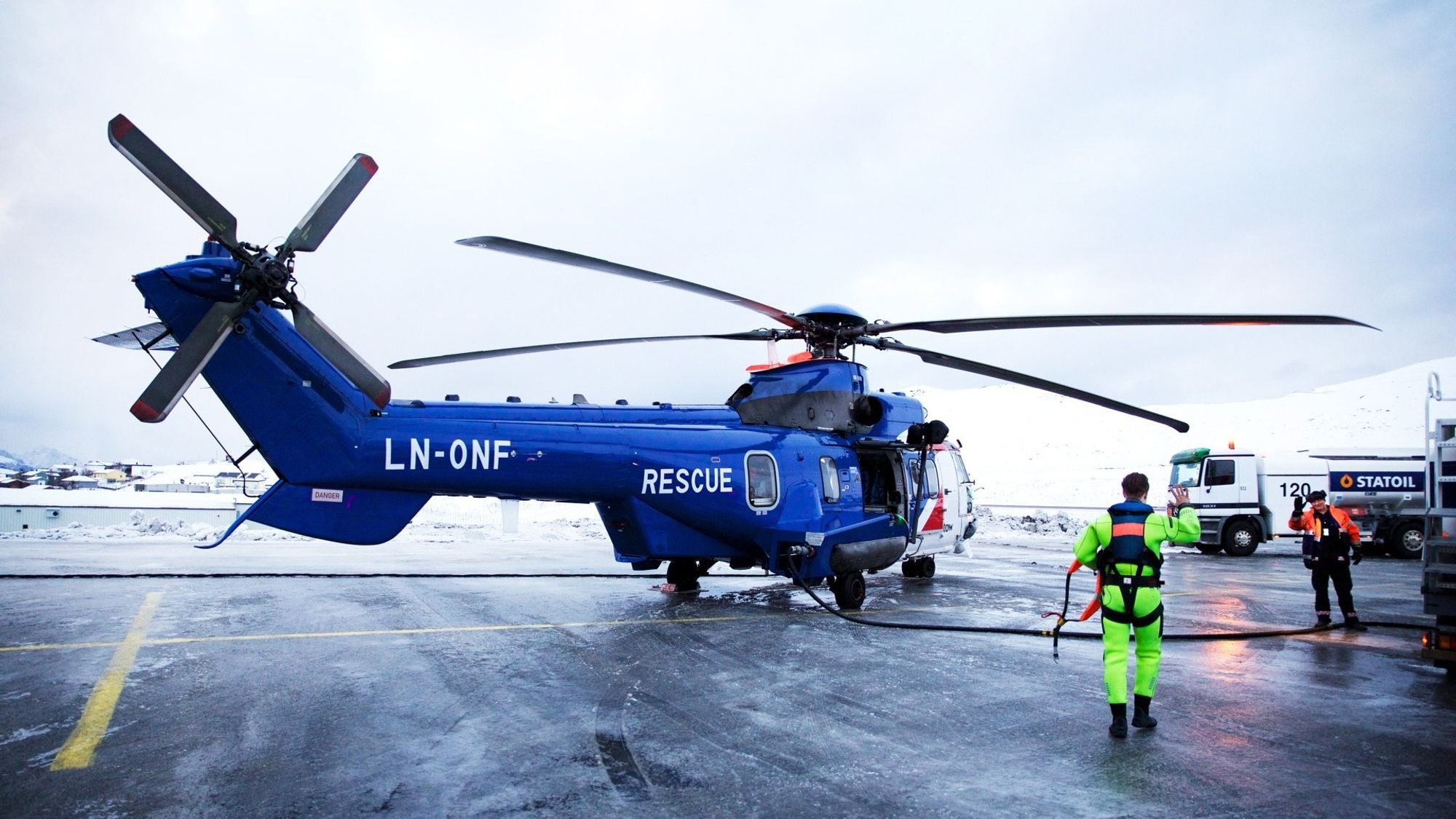
Dette H225 awsar-helikopteret som fløy for Bristow i Hammerfest er blant Super Puma-helikoptrene som er parkert og erstattet av Sikorsky S-92A. Bilde: Eirik Helland Urke


Som det kom fram på Solakonferansen sist høst, er det mange norske aktører som er kritiske til denne vurderinga. Budskapet fra bransjen er at det er fullstendig uaktuelt å ta i bruk helikoptrene før SHT er ferdige med sin undersøkelse, og den såkalte rotårsaken er funnet.
I tillegg kritiseres Luftfartstilsynet for hvordan de slapp nyheten til pressen, inkludert Teknisk Ukeblad, før eksempelvis Samarbeidsforum for helikoptersikkerhet på norsk kontinentalsokkel (SF).
I referatet fra SFs septembermøte, skriver forumet at de «stiller seg uforstående til Luftfartstilsynets valg av kommunikasjonsstrategi for offentliggjøringen av endringen av sikkerhetsdirektivet». 
Ifølge SF hadde myndighetene forpliktet seg til å orientere dem i forkant av en opphevelse eller endring av direktivet, og minner Luftfartstilsynet om at forumet er en sentral aktør i arbeidet med å bidra til økt sikkerhet for personelltransporten på norsk sokkel.
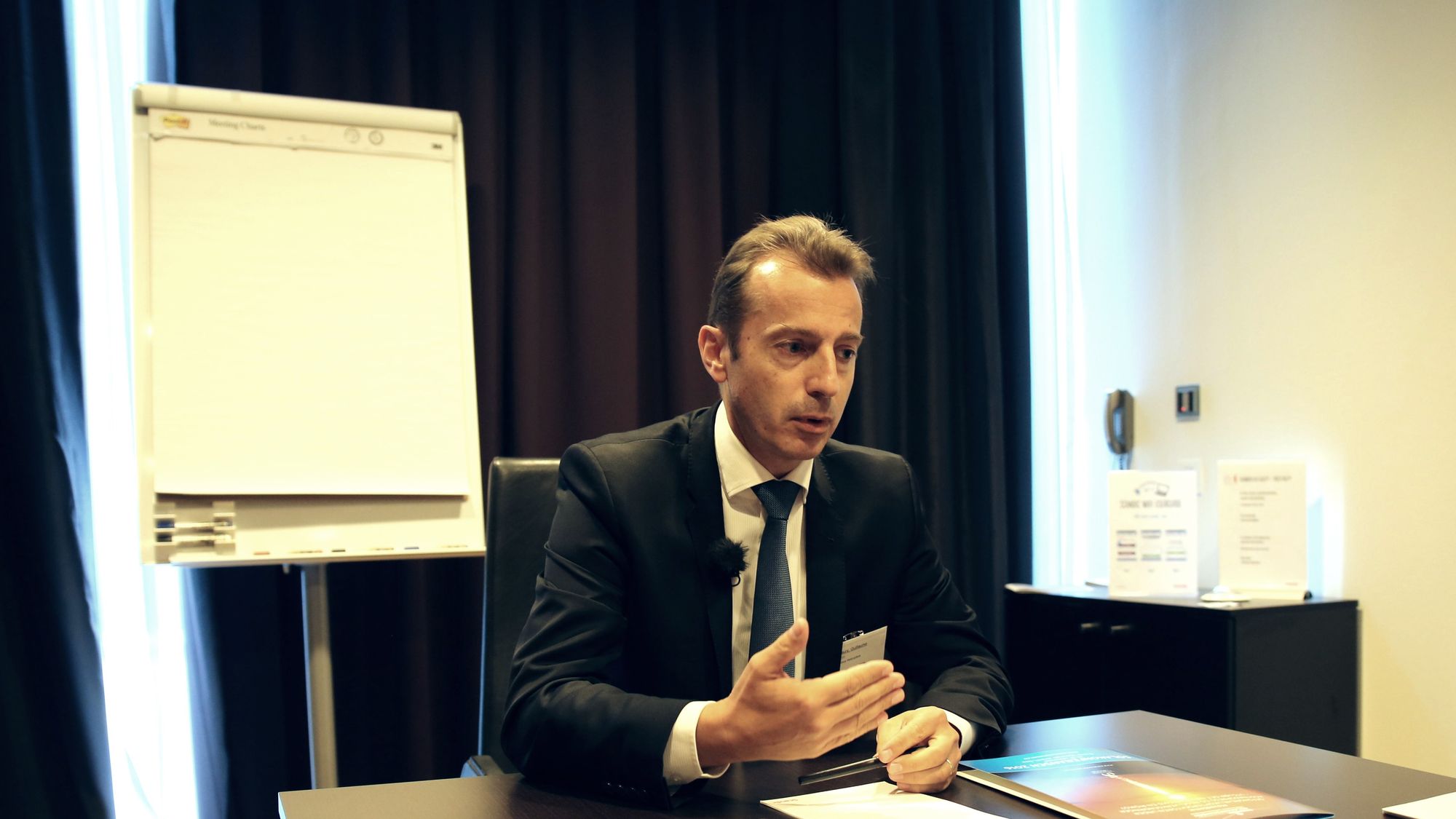
Guillaume Faury overtar som sjef for Airbus Commercial Aircraft i februar.Bilde: Per Erlien Dalløkken

Fra Super Puma til passasjerfly

Guillaume Faury, som blant var sjefingeniør for EC225/725-programmet tidlig på 2000-tallet, overtok som sjef i daværende Eurocopter etter at forgjengeren gikk av i etterkant av at helikoptertypen ble satt på bakken i sju måneder i 2012 og 2013 som følge av at to EC225-helikoptre måtte nødlande i Nordsjøen med havarert hovedgirboks (MGB) med sprekk på samme sted i akslingen.

Fabrice Brégier slutter i Airbus.Bilde: Per Erlien Dalløkken

I september 2016, fem måneder etter Turøy-ulykken, dro han til Solakonferansen for å møte den norske bransjen. Da erkjente han det åpenbare, at flytypen og de som produsent, sto midt i en tillitskrise. Samtidig framholdt han at H225 har en framtid i offshoreoperasjoner i Nordsjøen.
Nå går Faury straks over i stillingen som sjef for passasjerflyvirksomheten i Airbus, der han overtar etter Fabrice Brégier.

fredag 2. februar 2018

Helikopter - Airbus Helicopters på tur i Sverige - TU

Airbus på tur i de svenske skoger for å teste bevæpning av helikoptrene sine

Traff blink med laserstyrt rakett fra H145M-helikopteret.

Snart fire år siden det første H145M ble levert, er Airbus Helicopters i ferd med å lage et angrepshelikopter av maskinen.
Den siste testinga har foregått dypt i snøkledde, svenske skoger. Her har H145M-helikopteret for første gang skutt laserstyrte raketter.

I Älvdalen

Rakettene (70-mm Thales FZ275 LGR) er en del av våpenpakka HForce som skal kunne enkelt monteres på alle de militære helikoptrene, H125M, H145M og H225M.
Testen foregikk de første ukene i desember på Älvdalens skjutfält i Dalarna. Det 540 kvadratkilometer store skytefeltet ligger 6-7 mil øst for Trysil.  
Kombinert med den elektrooptiske MX-15D-sensoren fra LR Wescam, med innebygd laserbelyser, skal det være mulig å treffe innenfor en radius på én meter fra målet på opp til 4,5 kilometers hold.
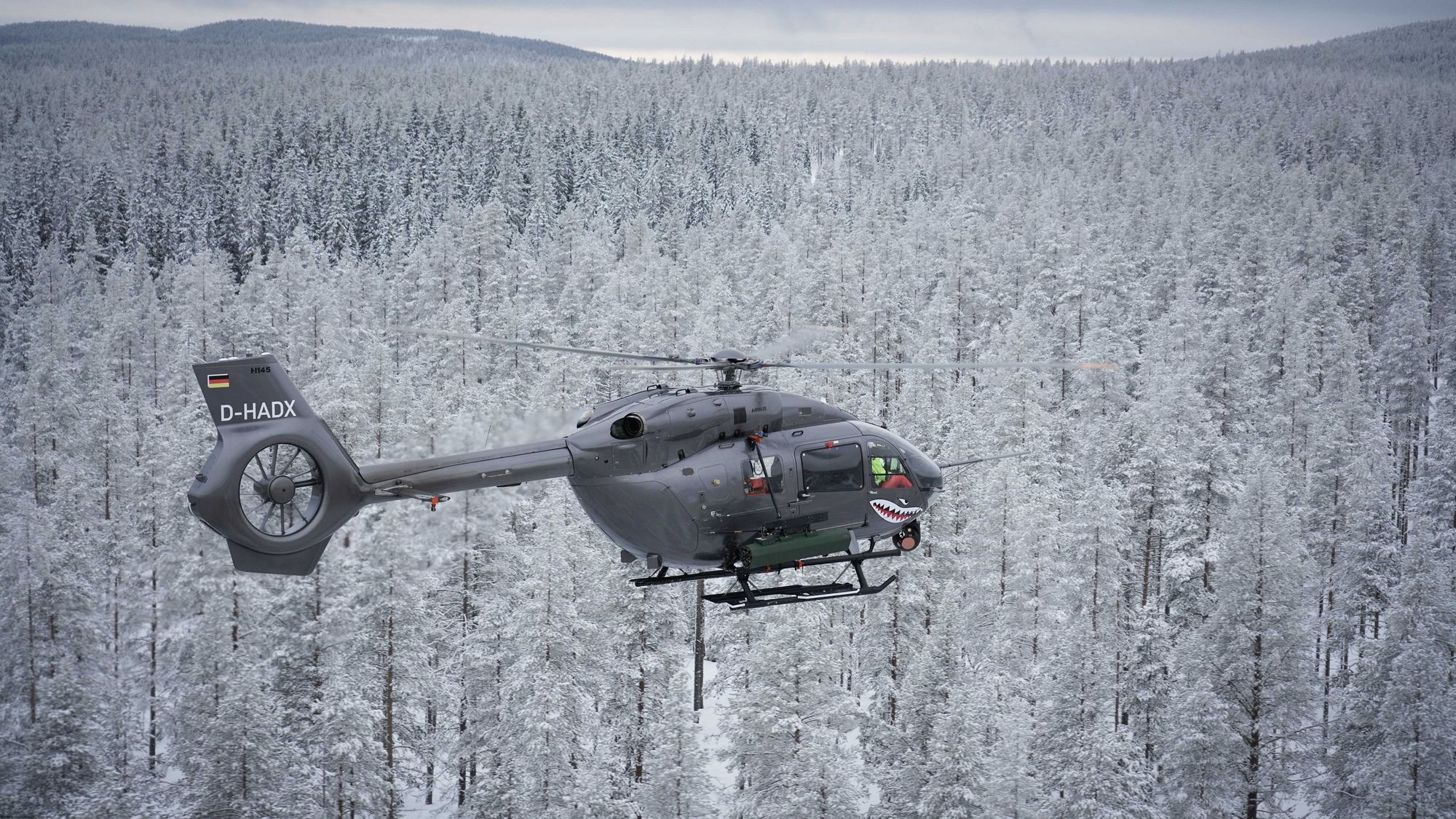
H145M var i slutten av desember på skytefeltet i Älvdalen i Sverige for å gjennomføre en av de siste testene av våpensystemet HForce.Foto: Airbus Helicopters


Airbus påpeker at det er essensielt å inkludere presisjonsvåpen i HForce-systemet for å reduserer risikoen for utilsiktet skade på omgivelsene, spesielt i assymetriske konflikter. 
– Rakettene fungerte utrolig bra, spesielt når vi tar i betraktning at værforholdene var langt fra ideelle, med høy luftfuktighet, sier testflyger Raymond Laporte i en pressemelding.
H145M fløy med HForce-våpensystemet første gang i slutten av august i fjor, fra Airbus helictopers-fabrikken i Donauwörth, nordvest for München.
I oktober var Airbus på flybasen Pápa i Ungarn og testet andre skytevåpen som en del av HForce-pakka. Da ble det skutt med 12,7-millimeter maskingevær (FN Herstal HMP400), ustyrte raketter (Thales FZ231) og 20-mm maskinkanon (Nexter NC621).
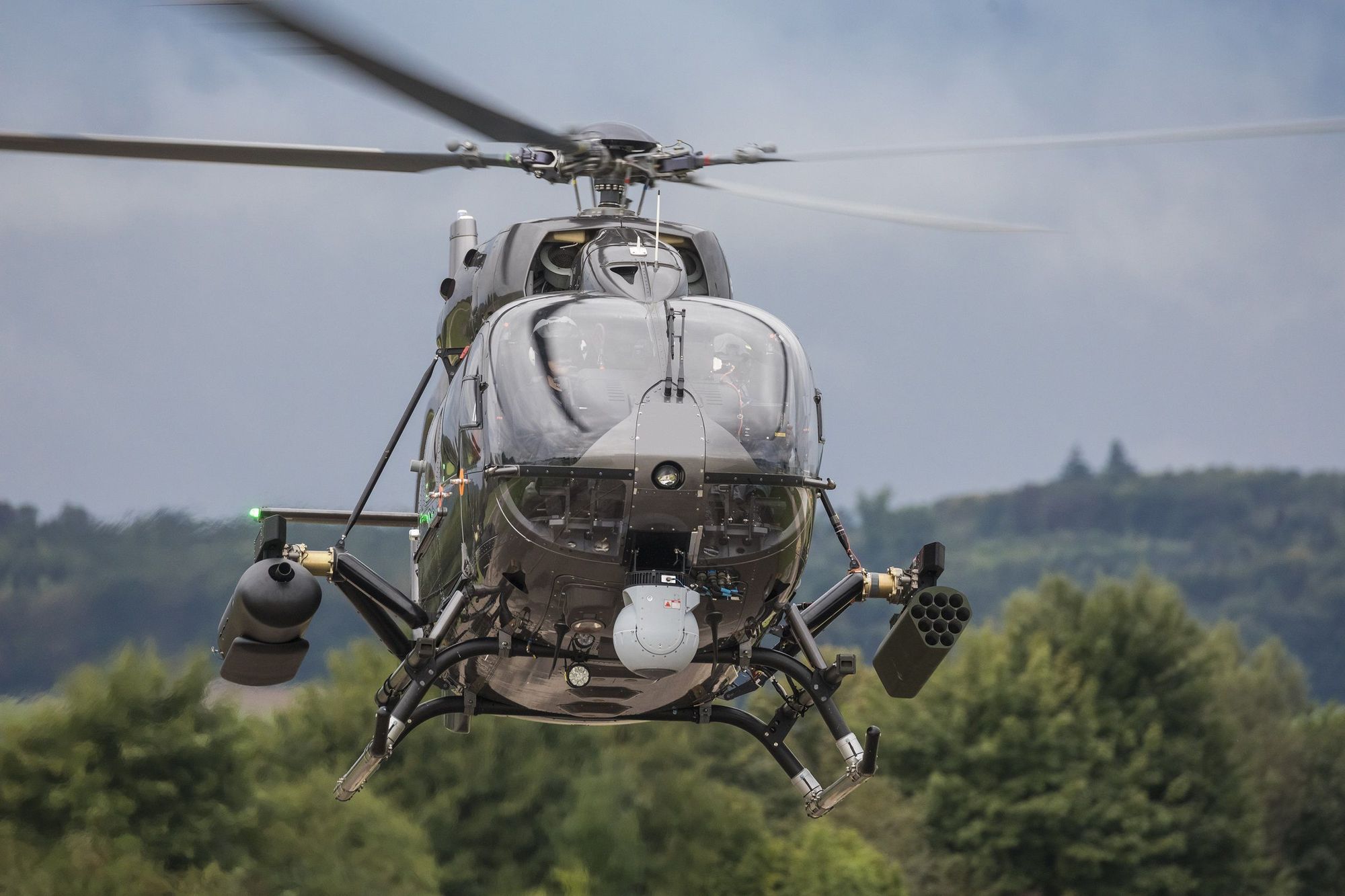
Testflyging av mitraljøse- og kanondelene av HForce-pakka i Ungarn i oktober.Foto: Airbus Helicopters


Målet er at dette skal være operativt i løpet av dette året, mens de laserstyrte rakettene skal bli ferdig integrert neste år.

Kunne blitt politihelikopter  

H145M er altså den militære versjonen av helikopteret som tidligere ble betegnet som EC145 T2 og er basert på BK 117 som tyske Messerschmitt-Bölkow-Blohm (MBB) og japanske Kawasaki utviklet på slutten av 70-tallet.
Den mest synlige endringen på H145 sammenlignet med EC145/BK 117, er at nyeste versjon er utstyrt med den samme såkalte Fenestron-halerotoren som dagens EC135-helikoptre også har.
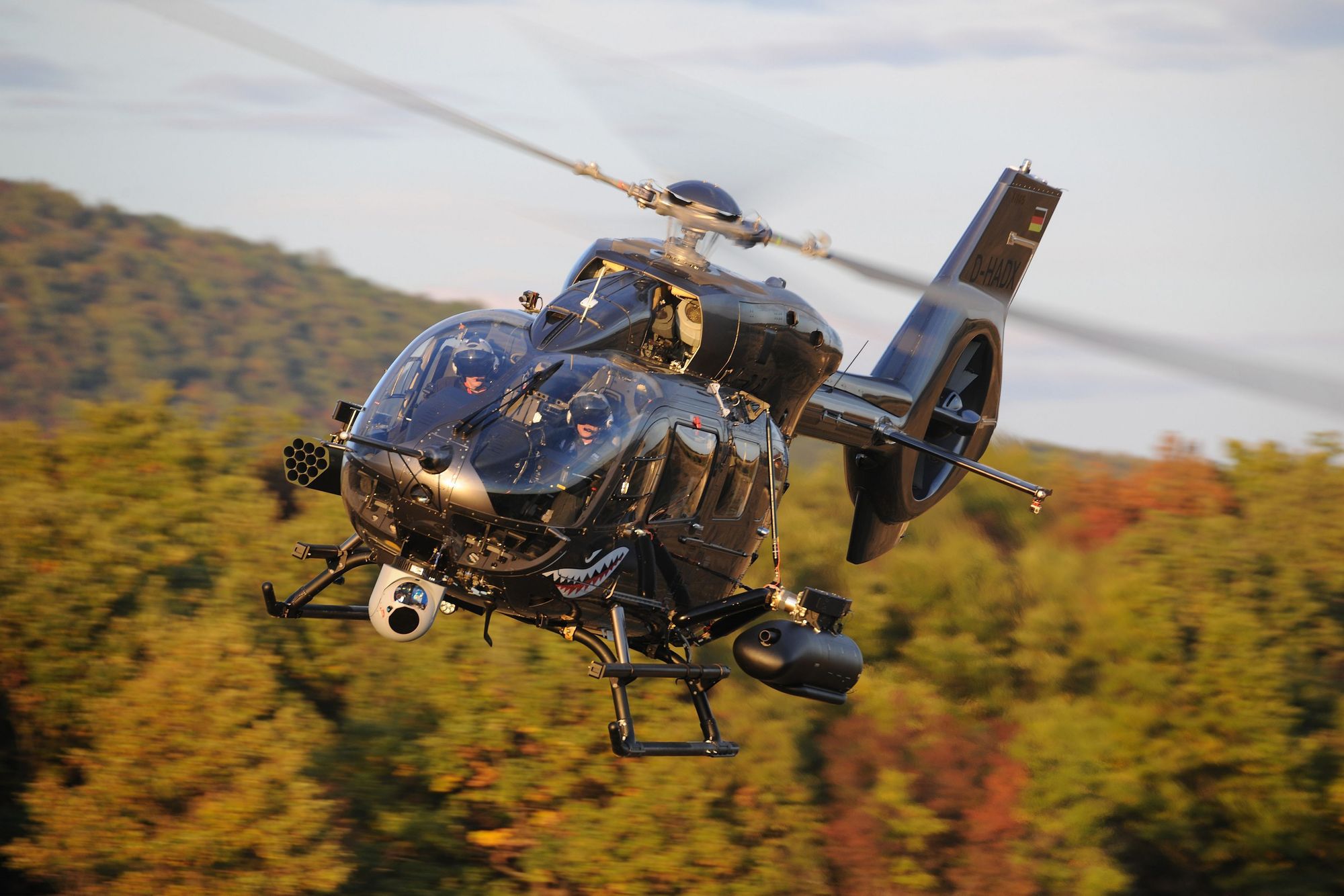
Første flygning med H145M HForce i august 2017. Foto: Airbus Helicopters


EC145 har flydd lenge i Norge, og også den nyeste versjonen H145 (MBB-BK 117 D-2) har mange sett her til lands i fargene til Norsk luftambulanse. Totalt, med alle versjoner, er det produsert rundt 1.250 eksemplarer av helikoptertypen.
Den tapte riktignok finalerunden i konkurransen om å levere de nye norske politihelikoptrene.
Lanseringskunde for H145M med HForce er Serbia. De har bestilt ni helikoptre, hvorav fire konfigureres som angrepshelikoptre. Fra før har det tyske og thailandske forsvaret på kundelista. Bundeswehr har nå 15 slike helikoptre som benyttes av spesialstyrkene, Kommando Spezialkräfte (KSK).

F-35 - Norge har kjøpt et fly som er langt fra ferdig testet - AIN

F-35 Development, Availability and Reliability Problems Remain, Testers Say

 - February 2, 2018, 8:11 AM
F-35B on ramp
The first Italian-built F-35B was delivered to the Italian navy on January 25. Development issues with the STOVL version of the Lightning II were particularly highlighted in the latest DOT&E report. (Photo: Lockheed Martin)
The annual report from the Pentagon’s Director of Operational Test and Evaluation (DOT&E) again contains serious criticism of the F-35 program. Unresolved problems in the development, plus availability and reliability issues, are all of concern. “The operational suitability of the F-35 fleet remains at a level below service expectations and is dependent on work-arounds that would not be acceptable in combat situations,” the report said.
There are “many open deficiencies” in the definitive Block 3F software, the report said. As DOT&E chief Gen. Bob Behler notes by way of introduction, the F-35’s combat effectiveness relies on software mission data files (MDFs) to identify and correlate threat versus friendly radar signals. But the Pentagon’s reprogramming laboratory that creates the MDFs “continues to operate with cumbersome software tools and outdated or incomplete hardware.” The report does note that this is the fault of the F-35 Joint Program Office (JPO), not Lockheed Martin.  
Testing of the F-35’s weapons has revealed various deficiencies in both air-to-air and air-to-ground missions, the report alleged. These include an aiming bias on the 25 mm internal gun on the F-35A. The podded guns fitted to the F-35B and F-35C versions are more accurate. However, a detailed table of weapons testing included in the report did reveal successful firings of AMRAAM, AIM-9X, and the UK’s ASRAAM air-to-air missiles, and successful dropping of GBU-12/31/39, SDB and the UK’s Paveway IV air-ground weapons, and the JSOW missile.
Specifically on the F-35B, the DOT&E reported delays in flight testing because of the need for test-unique tail coatings to prevent overheating the horizontal tails at high-airspeed test points; the need to repair unanticipated cracks in the main landing gear and structural frame; and engine restrictions. The structural test article “had so many repairs (that) it was no longer representative of the production aircraft.” A new test article is required, and in the meantime, the DOT&E warns that the F-35B may not achieve the advertised service life of 8,000 hours.
The B-model’s tire-life is well-below expectations, with no remedy yet identified. F-35B pilots have been losing situational awareness during night landings on aircraft carriers because of deficiencies in the night vision camera that is used with the Gen III helmet. The air refueling probe tips “are breaking too often,” according to the report.
There has been no significant improvement in the F-35’s availability rates since October 2014, the report noted. The system-wide figure is approximately 50 percent, which is 10 percent below the "modest” 60 percent goal. Overall F-35 reliability “has changed little compared to July 2016,” according to the report. However, the later production lots are doing better.
The report particularly criticizes the controversial Autonomic Logistics Information System (ALIS). The report reveals that the U.S. Marine Corps had to suspend flight operations at its main training base, MCAS Yuma in AZ, because ALIS was not properly tracking engine life. Meanwhile, the US Air Force temporarily suspended fielding the latest version during last year. Some previously-identified cybersecurity vulnerabilities of ALIS have not been remedied, and may even have led to “compromises of F-35 data”, the report suggests.
On a more positive note, the modifications to the ejection seat and the pilot’s helmet to prevent injury to lightweight pilots upon ejection appear to be working. However, the report notes the “physiological events” that affected operations at Luke AFB and for which “no common root cause has been identified.” But as reported by AIN and other media, such events have also affected other fast jet types the U.S. military operates.
In response, Lockheed Martin said although it is still reviewing the DOT&E report, it s “confident in the F-35's transformational capability that continues to be demonstrated through the steady progress in development, production, and sustainment operations.”
The company noted that “weapons system reliability continues to improve lot over lot and the LRIP 7 and newer jets are averaging greater than 60 percent availability and some operational squadrons are consistently at or above 70 percent availability.” The company confirmed that the upgraded diagnostics that form part of the Block 3F software will be retrofitted into earlier production aircraft. ”In partnership with the F-35 JPO, we are improving our spares modeling, OEM, and organic repair capability, and parts ordering which will improve the spares inventory and enhance overall readiness,” it added.

Droner i taxivirksomhet - Overoptimisme preger markedet - NRK


Overoptimisme preger markedet for føreløse taxier av typen du ser under. Her finne stadig nye varianter som du har fått med deg her på bloggen, senest i dag. I 2007 avholdt Flyoperativt Forum den første internasjonale UAV (Drone) konferanse i Norge. Vi innså raskt at her kommer lovgivende myndigheter til å ligge langt bak utviklingen. Separasjon mellom vanlige fly og droner som det her snakkes om, har det vært jobbet med i omtrent 15 år nå. Ingen omforente løsninger er funnet. Vi snakker her også om kommersiell flyging. Taxiflyging er kommersielt. Det betyr særdeles strenge regler for hvordan disse innretningen skal opereres, og ikke minst separasjon fra andre fly av samme type. Noen jobber med dette, men å få på plass et system som er sikkert fra dag en ser jeg på som utopisk akkurat nå. Tipper at den overdrevne optimisme er skapt for å få inn penger i prosjekter. Sjekk for øvrig de strenge svenske reglene når det gjelder droner. De norske er det referanse til nederst. De er fra juli 2017.(Red.)


Les hele artikkelen her: https://tinyurl.com/ybo36vok

I fremtidens taxi skal vi flys førerløst

Fremtidens taxi kommer til å være førerløs og se ut som en drone, mener utvikleren av det førerløset fartøyet.


Volocopter flyr av seg selv


Lukasz Gadowski i Volocopter
Lukasz Gadowski i Volocopter sier de førerløse lyft-taxiene kommer i drift om et par års tid
Foto: Volocopter
– Volocopter er utviklet til bruk i storbyer som holder på å kveles av trafikk og der trafikken på bakkenivået er sprengt, sier styreleder Lukasz Gadowski.

Han hevder at det elektriske fartøyet har sikkerheten i høysetet, at det er utviklet i tråd med dagens regler for sikkerhet.
– Blant annet kan det operere med kun halvparten av de 18 rotorene i drift, og det har innebygget fallskjerm som løses ut automatisk ved avvik, forklarer han.

Nye regler i luftfarten

I EU jobbes det med å få nye regler på plass når førerløse fly skal operere i det samme luftrommet som konvensjonelle fly med mannskap.

Sweden implements new rules for UAV use

Sweden has become the latest country to regulate the use of unmanned aerial vehicles (UAVs), or drones, covering both private and commercial operators.
Swedish Transport Agency Transportstyrelsen said that while the rapidly developing UAV technology presents great opportunities, the craft must be operated safely.
Under the new rules, Swedish UAV operators must fly their craft more than 5km (3.1 miles) away from an airport’s active runway, or at least 1km away from a helicopter landing area.
Neither may fly UAVs “over a short distance or in such a way that can disrupt a rescue operation in progress”—presumably in the event of an accident where emergency service helicopters are present.
UAVs may only be flown in controlled airspace by special permission and on terms set by the relevant air traffic control unit for the airspace concerned, according to the new regulations.
Operators controlling a drone in traffic information zones or traffic information areas, must maintain a two-way radio connection, or equivalent, in agreement with air traffic management. Flights in a traffic zone may only be done after consultation with the relevant airport.
UAV operators violating these rules face a fine or imprisonment, the agency warned.
Nations are scrambling to find ways to control, or integrate UAV operations, given the fears that a collision between a drone and an airliner or light aircraft could result in a crash.


Sjekk de norske reglene hos Luftfartstilsynet her: https://tinyurl.com/y7qo78tz

Droner - Ubemannede lastefly utvikles raskt - AW&ST

Unmanned Cargo Aircraft Head Toward Flight Tests

Graham Warwick

Just a few years ago, large unmanned cargo aircraft looked to be decades in the future. But the growth in e-commerce and demand for rapid delivery has encouraged startups to launch development of autonomous freighters, targeting entry into service as early as 2020.
 
California-based Elroy Air andNatilus are close to flying subscale prototypes of their unmanned cargo aircraft while Sabrewing Aircraft, another startup based in the state, hopes to fly its 65%-scalevehicle this fall. And they are not alone.

The Chinese Academy of Sciences in October flew a 3,300-lb.-payload unmanned cargo aircraft, the AT200, based on the Pacific Aerospace P-750XL utility turboprop built in New Zealand. In December, Chinese package carrier SF Express conducted emergency logistics tests with a version of
Tengoen Technologies’ TB001 medium-altitude UAV, and the young Chinese manufacturer has revealed plans for an eight-turbofan cargo UAV capable of carrying 20 tons more than 4,100 nm. Even Boeing has joined the fray, flying a prototype electric vertical-takeoff-and-landing (eVTOL) cargo UAV.
  • Natilus plans a Boeing 747-size transpacific unmanned freighter
  • Elroy Air wants to replace trucks on inefficient routes
  • Sabrewing targeting a small regional unmanned freighter

The startups are attracting investment. Richmond, California-based Natilus closed a second round of seed funding in November with investments from aerospace accelerator Starburst Ventures and others. In December, San Francisco-based Elroy secured $4.6 million in seed funding led by aerial mobility investor Levitate Capital. And Camarillo-based Sabrewing in January announced it was nearing completion of its first financing round, raising “just under $1 million” in angel funding led by The Drone Fund.
China flew an unmanned cargo aircraft based on the P-750 utility turboprop in 2017. Credit: China Acadamy of Sciences/ChinaNewsService


The amounts are small as are the teams. But the growing interest is significant given that all the recent activity around unmanned logistics has been focused on small package-delivery drones and that, less than five years ago, large cargo UAVs were viewed as distant prospects.
Natilus was established in 2014 with the goal of creating “a mode of transportation between air and sea freight for transpacific, transatlantic and Europe-to-Asia routes,” says Aleksey Matyushev, CEO and co-founder. Air freight is fast but expensive. Sea freight is cheaper, but slow. Natilus is pursuing a third option: a large unmanned cargo aircraft that can carry the same amount of freight as a Boeing 747 the same distance, at half the cost. Using turboprop engines to lower fuel costs it would be slower, at Mach 0.4, but still faster than a ship.
As a first step, the startup has built a 2,200-lb., 30-ft.-span subscale prototype, a seaplane now being prepared for flight from San Pablo Bay north of San Francisco. Natilus’ original idea was for its unmanned freighter to operate from water, over water to make certification easier. “When we started, the regulatory environment was not there, but in the last year and a half there have been huge steps at the FAA,” says Matyushev. General Atomics is certifying its Predator UAV and  Natilus will follow, he says.
Natilus is preparing for flight tests of its subscale, seaplane first prototype. Credit: Natilus

For now, there are advantages to the prototype being a seaplane. “The FAA’s test sites are too expensive. Flying from water lets us create our own test space,” says Matyushev.
The prototype is powered by a single Rotax 912 piston engine. For its larger aircraft, the startup plans to use available turboprop or turbofan engines. While Elroy and Sabrewing will use a hybrid-electric powertrain, Natilus will not use electric propulsion. “We don’t believe in it for freighters,” he says.
Natilus’ next aircraft will be a blended wing-body (BWB) landplane. The growth in e-commerce means freighters typically run out of volume before reaching their weight limit, he says, and “a BWB provides 30% more volume.” The company’s end goal is a 747-/777-size transpacific unmanned freighter with 100-120-ton cargo capacity. It is also looking at a 767-size aircraft with 40-ton payload. But the first product is to be a 20,000-lb. gross-weight small regional freighter with a 3.5-4.5-ton cargo capacity, powered by a Pratt & Whitney Canada PT6A. This can be certified under the FAA’s revamped Part 23 rules, he says.
Elroy Air has built a full-scale nonflying model of its electric VTOL cargo aircraft. Credit: Elroy Air

The company is developing its own autopilot. Initial prototype flights will be remotely controlled, with autonomous functionality to be added incrementally. The eventual goal is for a single ground pilot to manage up to five air vehicles. The large unmanned freighter will fly lower and slower than commercial air traffic, but will still share airspace and have to be equipped to see and avoid.
Matyushev sees large unmanned aircraft operating into major cargo hubs such as Anchorage, Alaska, where freighters make up most of the traffic, and he believes that, initially, air traffic control could be handled procedurally. He points out that rules have been developed enabling the Global Hawk UAV to make long-range flights.
Natilus plans to fly the small regional freighter in 2020 and have it certified within 3.5 years. The seed funding will pay for the prototype, and a Series A financing round is planned in a few months. “We are good on capital,” he says.
Sabrewing’s transpacific Draco-2 is planned to lead to a Caravan-size cargo UAV. Credit: Sabrewing Aircraft

Elroy Air was founded in November 2016, initially to pursue the eVTOL air taxi market. “But we started to understand more about the probable time frame to get through certification with a passenger-carrying aircraft that was autonomous, so decided we could build a similar aircraft for cargo initially and have an entry to market that would be ready much quicker,” says David Merrill, CEO and co-founder.
Elroy’s cargo UAV is a tandem-wing design, with a cargo pod under the central fuselage, six propellers for vertical lift under twin booms and a pusher prop for forward flight. The vehicle has a 150-lb.-cargo capability, but is designed to scale up. The company is targeting government customers as well as logistics companies “This requirement of 150 lb. of payload and about 150 mi. of operational radius is at the intersection of the Venn diagram where they could both use the system and find it useful,” he says.
Examples include express logistics “from places where you’ve got either terrain that makes a truck route impossible or you have truck routes that are inefficient,” says Merrill. He cites a 100-mi. route from a depot to a customer, with few other stops along the way. “So you’ve got a truck that spends half a day driving out to one customer, offloading 25-50 packages, picking up from that customer and driving all the way back. It uses a lot of time, and the truck is carrying mostly air.”
Flying that kind of route makes sense, he says, particularly with the ground robotics Elroy plans for loading and unloading. The aircraft will automatically pick up the packed pod, fly the mission, deposit the pod at its destination and pick up another. “We don’t need a lot of people involved,” says Merrill. As with Natilus, Elroy foresees one pilot in command being responsible for a fleet of aircraft.
Elroy is building a subscale prototype to validate the aerodynamics and controls. But the company has already tested a full-scale “Aluminum Falcon” prototype of its lift system—rotors, motors and controllers—on a truck-mounted rig at Half-Moon Bay Airport, south of San Francisco. This enabled Elroy to measure lift and noise, the latter important because the aircraft is expected to operate in urban areas.
The expected lift per rotor was achieved, and noise was only “a couple of dB” above ambient, he says. The rotors are variable pitch. This allows a larger diameter, so they spin more slowly, which reduces noise. “And, most important, it gives us more options on the supply chain for motors,” Merrill says, noting eVTOLs with fixed-pitch rotors need “pretty beefy” motors.
Ground testing of the subscale aircraft is to begin in early March, with Elroy hoping for a first flight by late March. The full-scale aircraft is to follow by late summer. Based on the regulatory environment, Elroy is targeting domestic government customers first, then overseas, then domestic commercial cargo. “Optimistically, we will be flying initial customers for the government in 2021,” says Clint Cope, vice president of engineering and co-founder, but deliveries could begin earlier to overseas customers.
Sabrewing is taking a different route to market. As a first step, it is building the Draco-2, a 65%-scale demonstrator designed to fly 5,000 nm, as an entrant in the Pacific Drone Challenge. To win, the 30-ft.-span aircraft must fly 4,500 nm nonstop, unrefueled and unmanned from Sendai in northeast Japan to Moffett Field in Silicon Valley. Japan’s iRobotics is the other contender.
But the Draco-2 is also the prototype for a full-scale unmanned cargo aircraft, the Wyvern, that Sabrewing plans to develop. This will be similar in size, cost and speed to the Cessna 208 Caravan and Quest Kodiak, but with almost double the payload, says CEO Ed De Reyes. The Wyvern will be hybrid-electric, with dual gasoline engines driving generators that power eight fans mounted in four ducts.
The full-scale aircraft will be VTOL (the Draco-2 is not). “That’s how we intend to capture the market,” says De Reyes. “It will do a super-short takeoff with a large payload, then land vertically at its destination. It will serve the same market as the [Cessna] 208 and Kodiak, flying 200-800 nm to drop into remote villages.”
Sabrewing has 18 sponsors onboard for the Challenge, supplying materials and equipment for the Draco-2. These include Tencate for the composites, Cobham and Inmarsat for satcom, Cloud Cap Technology for the autopilot and Attollo Engineering for the lidar sensor, part of a sense-and-avoid system that includes an Iris Automation camera system and uAvionix automatic dependent surveillance-broadcast.
“We have everything we need to build the air vehicle, except the main sponsorship,” says De Reyes. Sabrewing is building a wind-tunnel model, the Draco-1, after which work on the aircraft will begin. Initial testing is scheduled for the fall in Warm Springs, Oregon. Distance testing is to be conducted from Dutch Harbor, Alaska, to Tillamook, Oregon, both part of the Pan Pacific UAS Test Range Complex. The company expects to attempt the Challenge flight in late fall 2019.

Enda et tilskudd til fly/helikoptre av el.typen - Vahana

Urban Air Mobility, er den nye mantraen. Hvor er reglene for slike farkoster? Antakelig så finnes de ikke. (Red.)


Vahana’s First Flight a Success

Today marks a historic day for Airbus, A³, and the Vahana team. We can now announce our successful first flight. At 8:52AM on January 31, 2018 in Pendleton, Oregon, our full-scale aircraft, dubbed Alpha One, reached a height of 5 meters (16 feet) before descending safely. Its first flight, with a duration of 53 seconds, was fully self-piloted and the vehicle completed a second flight the following day. In attendance was the full Vahana team, representatives from the FAA, and A³ leadership, all coming together to witness this historic accomplishment.
Our aim has long been to design and build a single passenger electric VTOL self-piloted aircraft that will answer the growing need for urban mobility. Our goal is to democratize personal flight by leveraging the latest technologies such as electric propulsion, energy storage, and machine vision. Our first flights mark a huge milestone for Vahana as well as the global pursuit of urban air mobility.

Helikopter - R44 havarert under nødlanding i USA - AVweb

Three Killed When Helicopter Hits House
 
Mary Grady
 
 
A Robinson R44 helicopter crashed into a house in a gated community in Newport Beach, California, about 2 p.m. Tuesday afternoon, killing three of the four people on board. A person on the ground nearby also was injured by debris from the crash. A witness who spoke to CBS Los Angeles said he saw the chopper "drop like a rock." Another witness told The Associated Press it looked as if the pilot was trying to land in the street, “but clipped the roof across the street and didn't make it." The pilot and two passengers died, and the third passenger was seriously hurt.